Roughly a decade ago I had been working diligently on what I thought would be my first completed novel. At the time I was buried in it, knocking out dozens of pages on a regular basis. It was an interesting concept; a family of super powered individuals taking on an unrelenting and devastating alien invasion with a ton of action and lots of really neat sci-fi sounding words and terms. I was having fun writing it, and I thought it was coming out great. Then I hit a wall in the story that I couldn’t figure out how to get past and decided I would use that time to revise. I started reading it over and hated every second of it.
It was riddled with cliches, the pacing was nightmarishly bad, the characters were flat, and the scenes that I thought were packed with emotion when writing came off as super cheesy and forced. I tried thinking how I could fix it, even going back and outlining the whole story from start to finish. The more I looked at it, the more I came to one singular conclusion: it was irreparably broken. I saved the file and buried it with the other concepts that I had written over the years, destined to die buried on a hard drive somewhere.
Fast forward ten years, and I am organizing my writing notebooks because I hit a small wall while working on Haven Lost (my current manuscript in case you haven’t been following). Flipping through my notes that I used to write nightly at the coffee shop, I am reminded of some of the brainstorming that I had done and some of the ideas that I had toyed with. I flip to a page where I have all these different weapons torn from mythology around the world and the family tree of the super-powered family that was to be the focus of that original manuscript. Intrigued by it, I decided to track down the file and give it a read. A few minutes of searching through my OneDrive and I see book2.doc buried in an old folder called Book Ideas. I opened it up in Word and decided to give it a read.
My first thoughts were exactly what I remembered; it was bad. Loaded with cliches and tropes and only a slightly better love story than Twilight, it was tough to read. It felt almost cartoonish in its action, and the dialogue would give The Room a run for its money. The book felt disjointed, which made sense considering I was writing it not long after my mom passed away and I was emotionally all over the place at that time. The main character was very clearly an idealized version of myself and the love interest literally shared a name with my ex. The story and the characters and the execution; it was all just really bad.
But the writing wasn’t. In fact, for the most part a lot of the writing was actually really good. Attention to detail was solid, pacing during the action was well done, and it was grammatically well put together. The parts where I was digging into the concept of a family that had been the product of selective breeding to draw upon certain traits and how it effected their ability to live normal lives was actually not bad. From a conceptual and mechanical standpoint, I was onto something and had the tools to write it; I just had no idea how to use those tools to tell the story of that concept.
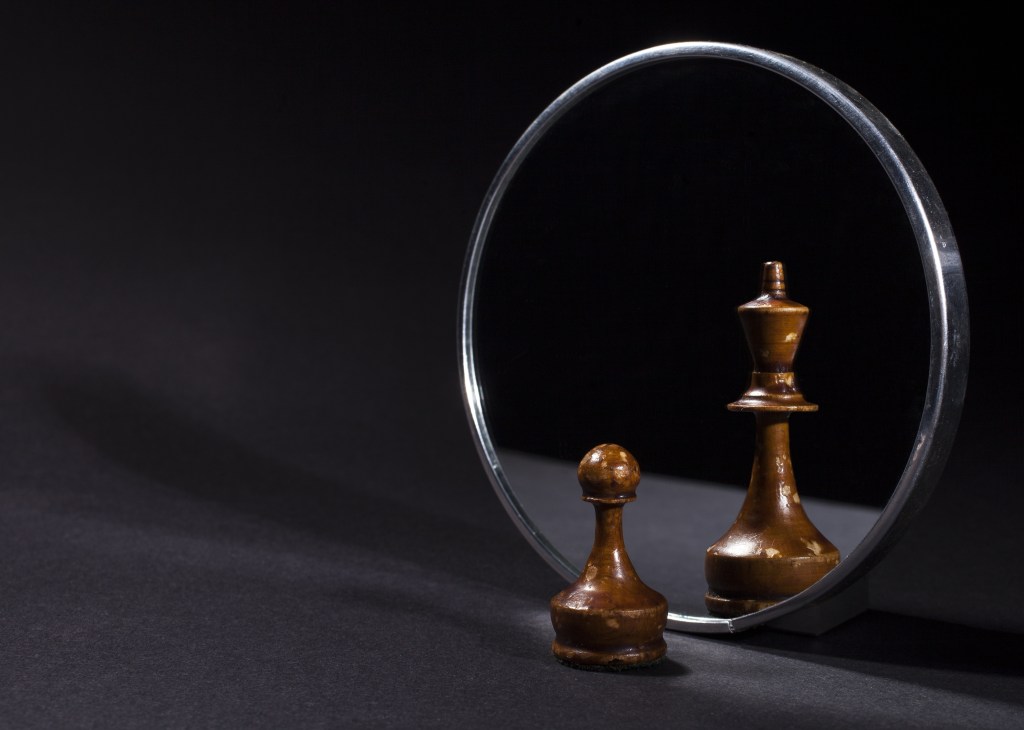
This was a bit of a breakthrough for me. I am without a doubt my own worst enemy when it comes to my writing. I am super critical of everything I write, to the point where I get so anxious about writing that I can’t even bring myself to turn on my computer. Every time I go to revise something I write, I always immediately hate it and can’t tell you how many times I’ve had to talk myself out of deleting everything I’ve ever written because of the ridiculous standards I try to hold myself to. Being able to look at that very broken script and pick out the things that were working for me was huge because it was the first step towards admitting where I am currently.
The fact is, if I were to compare it to sports, I’m not even in the amateur league yet. While I have put in the time to learn extensively about writing through my education, from a professional stand point it is literally costing me money to write as opposed to being a profession. And this realization helped me get to the root of my critical problem with my own writing. Why in the world would I expect professional quality when I’m just getting started? That would be like giving one of the kids I coach a soccer ball and then being mad when they don’t play like Messi. It’s madness.
I think it is important to be able to look back at my writing and identify what I struggle with. After going through that old mess of a manuscript, I now realize it is equally as important to understand what I was able to do well, too. I look forward to that point where I can hold my writing to the same level of criticism that Stephen King holds his. I’m not there yet, and it is important for me to realize that if I ever want to get there.
Have you ever had anything that you’ve held yourself to unrealistic standards on? Let me know in the comments!


 Patrick D Quinn
Leave a comment